 By siddiquaseo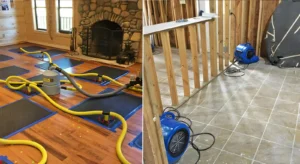
Flooding can strike unexpectedly, leaving homes and businesses in a state of chaos. Effective flooding cleanup is crucial to protect property, prevent long-term damage, and ensure the safety of everyone involved. However, during the chaos, it’s easy to make mistakes that can worsen the situation or prolong recovery. Understanding common pitfalls and how to avoid them can save both time and money.
Ignoring Safety Precautions
One of the biggest mistakes during flooding cleanup is neglecting safety measures. Floodwaters can carry harmful bacteria, chemicals, and debris that pose serious health risks. Wearing protective gear, including gloves, boots, masks, and eye protection, is essential. Additionally, electrical hazards are a major concern. Never enter a flooded building if electrical outlets, appliances, or wiring are submerged without first turning off the power at the main breaker. Taking shortcuts in safety can lead to accidents, injuries, or even fatalities.
Delaying the Cleanup Process
Procrastination is another common mistake in flooding cleanup. Water can seep into walls, floors, and furniture quickly, leading to structural damage and mold growth. The longer water remains in your property, the more severe the damage becomes. Acting promptly after a flood is crucial. Begin by removing standing water using pumps or wet vacuums, then focus on drying and disinfecting affected areas. Swift action reduces repair costs and helps restore the property to a safe and livable condition.
Underestimating the Extent of Water Damage
Many property owners assume that only visibly wet areas need attention. This is a critical error. Water can infiltrate hidden spaces such as behind walls, under floors, and inside insulation. Flooding cleanup requires thorough inspection to identify all areas affected by water. Moisture meters and infrared cameras can help detect hidden water pockets. Overlooking these areas can result in hidden mold growth and structural issues, causing problems months after the initial flood.
Using Incorrect Cleaning Methods
Flooding cleanup is not the same as routine cleaning. Using household cleaning products on flood-damaged areas can be ineffective or even harmful. Proper disinfectants are necessary to eliminate bacteria and prevent mold growth. Porous materials like carpets, rugs, and upholstery may need to be discarded if they are heavily contaminated. Attempting to salvage everything without proper cleaning techniques can create long-term health hazards.
Failing to Remove Damaged Items Properly
Keeping waterlogged furniture or belongings might seem sentimental, but it is often a mistake. Items that remain wet for extended periods can foster mold and mildew, affecting both your health and the integrity of your home. Flooding cleanup involves sorting through damaged items and deciding which can be restored and which should be discarded. Documenting damaged possessions with photos or videos is also important for insurance claims.
Neglecting Mold Prevention
Mold is one of the most insidious consequences of flooding. It can begin growing within 24 to 48 hours in damp conditions. Property owners often overlook this risk, focusing only on visible water removal. Preventing mold requires thorough drying of walls, floors, and furniture. Dehumidifiers, fans, and proper ventilation are essential tools in flooding cleanup. Ignoring mold prevention can lead to serious respiratory problems and costly remediation efforts later on.
Attempting DIY Electrical and Structural Repairs
Flooding can compromise the structural integrity of a building and create hidden electrical hazards. Trying to fix these issues without professional help is risky. Structural weaknesses may not be immediately visible, and DIY electrical repairs can result in electrocution or fire hazards. During flooding cleanup, hiring licensed contractors or restoration experts ensures that repairs are safe and effective. Professionals are trained to handle structural and electrical damage that may not be obvious to the average homeowner.
Not Consulting Insurance Early
Another mistake many people make during flooding cleanup is delaying communication with their insurance provider. Insurance companies often require documentation of damage before cleanup begins. Failing to notify them promptly can complicate or even invalidate claims. Take detailed notes, photos, and videos of all affected areas. Contact your insurance company immediately after the flood to understand the coverage, claim process, and any requirements for professional restoration services.
Overlooking Water Source Issues
Cleaning up after a flood without addressing the source of the water is futile. Flooding can be caused by natural events like heavy rain or man-made issues such as burst pipes. If the water source is not identified and stopped, flooding cleanup will be incomplete and recurring damage is likely. Investigate the cause of the flood and take preventive measures to avoid future incidents. This might involve repairing plumbing, improving drainage, or installing sump pumps.
Rushing the Restoration Process
Flooding cleanup is often physically and emotionally exhausting, leading some homeowners to rush the process. Rushing can result in missed spots, incomplete drying, and improper repairs. Take a systematic approach: remove water, disinfect, dry, and then restore. Following a methodical plan ensures long-lasting results and reduces the likelihood of future problems. Professional flood restoration services can provide guidance and help maintain an organized cleanup process.
Ignoring Documentation and Record-Keeping
During flooding cleanup, documentation is crucial for insurance, repair planning, and potential legal issues. Many property owners neglect this step. Record all damage with photographs, videos, and written notes. Keep receipts for cleanup materials, equipment rental, or professional services. Proper documentation not only simplifies insurance claims but also provides a clear timeline of the cleanup process, which can be helpful in disputes or follow-up maintenance.
Failing to Seek Professional Help When Needed
Finally, one of the most common mistakes in flooding cleanup is trying to handle everything alone. Flood restoration can be complex, especially for severe cases. Professionals have the equipment, expertise, and experience to handle water extraction, drying, mold remediation, and structural repairs efficiently. Engaging experts during flooding cleanup ensures that the property is restored safely, thoroughly, and in compliance with local regulations.
Conclusion
Flooding cleanup is a challenging process that requires careful planning, attention to safety, and proper techniques. Mistakes such as ignoring safety precautions, delaying cleanup, underestimating water damage, using incorrect cleaning methods, neglecting mold prevention, and attempting DIY repairs can lead to serious consequences. By understanding these common errors and taking proactive measures, homeowners can protect their property, reduce health risks, and speed up recovery. Engaging professionals, documenting damage, addressing water sources, and methodically restoring the property are key strategies for successful flooding cleanup. Avoiding these mistakes ensures that your home or business returns to a safe, healthy, and functional condition after a flood.
This guide highlights the importance of being thorough, cautious, and informed during flooding cleanup. Proper planning and professional support are the best defenses against the long-term effects of water damage.