 By Jackson
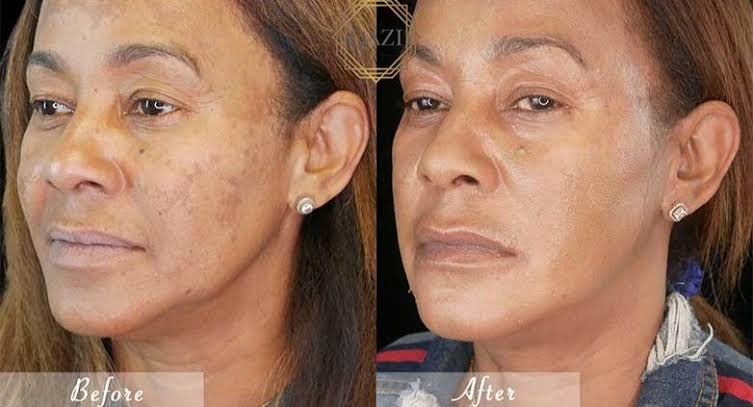
Hyperpigmentation is one of the most common skin concerns encountered in dermatology and aesthetic medicine. Whether caused by chronic sun exposure, hormonal fluctuations like melasma, post-inflammatory hyperpigmentation (PIH) from acne, or the natural aging process, stubborn dark spots can impact self-esteem and skin confidence. In recent years, technological advancements have made Laser Treatments for Hyperpigmentation increasingly popular, offering a powerful way to break down melanin clusters and restore a uniform skin tone. However, because skin is as unique as a fingerprint, a one-size-fits-all approach simply does not work. Personalized care is the critical differentiator between achieving radiant, clear skin and experiencing adverse complications.
Understanding Hyperpigmentation and Skin Diversity
To appreciate why customization is essential, it helps to understand what hyperpigmentation is and how it manifests. Hyperpigmentation occurs when an excess of melanin—the pigment responsible for skin, hair, and eye color—is produced in specific areas of the skin. This can range from superficial sun spots and freckles to deeper dermal issues like melasma or post-inflammatory hyperpigmentation caused by injury or inflammation.
Furthermore, human skin varies dramatically across individuals. Dermatologists use the Fitzpatrick scale, which categorizes skin types from Type I (very fair, always burns, never tans) to Type VI (deeply pigmented, never burns). Each skin type reacts differently to light and thermal energy. Darker skin tones have more active melanocytes that are far more sensitive to heat and inflammation. When performing Laser Treatments for Hyperpigmentation on diverse skin tones, a technician must account for these biological differences to avoid triggering the very problem they are trying to treat.
The Risks of a Generic Approach
When clinics treat every patient with the exact same laser settings, the results can be disastrous. Generic protocols often lead to several major complications:
Post-Inflammatory Hyperpigmentation (PIH): Paradoxically, using too much energy or the wrong wavelength can cause thermal trauma to the melanocytes, leading to a surge in melanin production. Instead of fading, the dark spots become darker or new spots appear.
Hypopigmentation: If the laser energy is too aggressive for a specific skin type, it can destroy the melanocytes entirely, leaving permanent white or hypopigmented patches that are extremely difficult to reverse.
Burns and Scarring: Inexperienced practitioners or rigid, standardized device settings can cause surface burns, blistering, and subsequent scarring, particularly on delicate facial skin.
These risks highlight why Laser Treatments for Hyperpigmentation require deep clinical expertise rather than automated settings. Every skin type, depth of pigment, and underlying trigger demands a tailored strategy.
How Personalization Shapes Safe and Effective Results
Personalized care transforms aesthetic procedures by shifting the focus from simply erasing a spot to optimizing overall skin health. A customized treatment plan incorporates several key components:
Selecting the Right Wavelength and Device
Different lasers target different depths and pigment colors. For instance, Q-switched and picosecond lasers deliver ultra-short pulses of energy that shatter pigment particles without overheating surrounding tissue, making them safer for various skin tones. Fractional lasers create microscopic treatment zones, encouraging rapid healing and collagen remodeling. A personalized approach ensures that the exact device and wavelength match the patient’s specific type of hyperpigmentation.
Calibrating Energy Settings
Even with the right laser, energy levels must be customized. Practitioners gradually test and adjust fluence (energy density) and pulse duration based on how the patient’s skin responds during a session. This dynamic approach prevents accidental thermal injury and ensures progressive, safe fading of dark spots.
Comprehensive Pre-Conditioning and Post-Care
Personalized care extends far beyond the time spent under the laser. Before undergoing Laser Treatments for Hyperpigmentation, patients often require a preparation phase—sometimes called skin priming—using topical tyrosinase inhibitors like hydroquinone, vitamin C, kojic acid, or retinoids. This suppresses melanin production so the skin doesn’t overreact to the laser. Post-care is equally rigorous, involving strict sun protection, gentle hydration, and anti-inflammatory regimens to lock in results and prevent recurrence.
What to Expect During a Tailored Consultation
A truly personalized journey begins long before the laser is turned on. A comprehensive consultation involves a thorough evaluation of your medical history, lifestyle factors, hormonal balance, and daily skincare routine. Advanced imaging tools, such as UV or polarized light cameras, are often used to look beneath the surface of the skin and map out hidden pigment that is not yet visible to the naked eye.
During this consultation, the practitioner performs a patch test—applying a small test spot on a discreet area of skin—to observe how your melanin reacts to the specific laser parameters. This vital step eliminates guesswork and ensures that the chosen protocol is both safe and effective for your unique skin ecosystem.
Conclusion
Achieving a clear, glowing, and even-toned complexion is an art backed by rigorous science. While Laser Treatments for Hyperpigmentation offer incredible potential, they are powerful medical procedures that demand precision, respect, and expertise. By prioritizing personalized care—tailoring wavelengths, adjusting energy levels, and implementing customized pre- and post-treatment protocols—clinics can minimize risks and maximize aesthetic outcomes. Your skin deserves more than a standard template; it deserves a bespoke approach designed exclusively for you.