 By Jackson
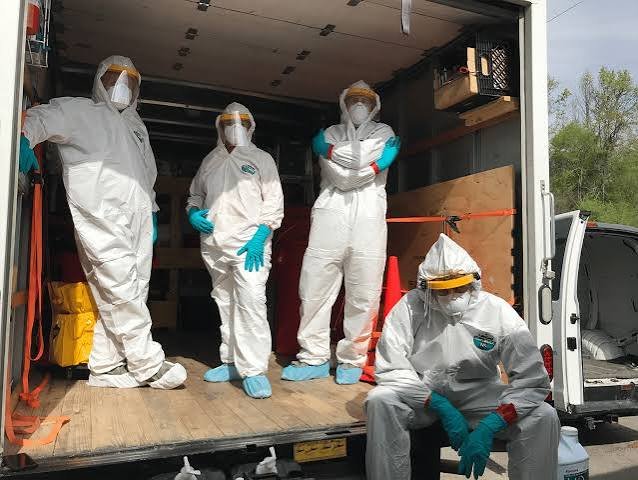
Crime scenes and other traumatic incidents can leave properties in need of specialized cleaning and restoration. Beyond the visible damage, these situations may involve biological contamination, unpleasant odors, and materials that require professional attention. Crime scene cleaning is an essential service that helps property owners crime scene cleaning restore affected spaces to safe, clean, and usable conditions. It also provides practical support to families, landlords, businesses, and property managers dealing with difficult circumstances.
Understanding the crime scene cleaning process helps people recognize why professional expertise matters, what restoration involves, and how the right service provider can make the recovery process more manageable.
What Is Crime Scene Cleaning?
Crime scene cleaning is a specialized cleaning and remediation service designed to address contamination following traumatic events, accidents, or certain criminal incidents. Depending on the situation, affected areas may contain blood, bodily fluids, contaminated materials, and persistent odors that ordinary household cleaning methods cannot adequately address.
Unlike routine cleaning, crime scene cleanup requires an understanding of biological hazards, appropriate protective equipment, regulated waste handling, and professional decontamination practices. The objective is not simply to improve the appearance of a room. It is to help ensure that affected areas are appropriately cleaned and restored according to applicable health and safety requirements.
These services may be needed in residential properties, commercial buildings, vehicles, rental units, and other locations where a traumatic incident has occurred.
Why Professional Crime Scene Cleaning Matters
Professional crime scene cleaning is important because biological contamination may present health risks when it is handled incorrectly. Without suitable training and equipment, individuals may unintentionally spread contamination to other surfaces or expose themselves to potentially harmful materials.
Professional technicians receive specialized training to assess affected areas, identify potential hazards, and select suitable cleaning and remediation methods. They also understand the importance of using appropriate personal protective equipment and following established procedures for collecting and disposing of contaminated waste.
Another important consideration is emotional well-being. Cleaning a property after a traumatic incident can be distressing for family members, property owners, or employees. Hiring trained professionals allows those affected to focus on personal recovery and necessary arrangements rather than undertaking a difficult cleanup themselves.
Professional services can therefore support both the physical restoration of a property and the practical needs of the people involved.
The Initial Assessment and Safety Evaluation
The restoration process generally begins with an assessment of the affected property. During this stage, trained professionals review the situation, identify the areas requiring attention, and evaluate the nature and extent of the contamination.
The assessment helps determine whether specialized cleaning, material removal, odor treatment, or additional restoration services may be necessary. The condition of flooring, walls, furniture, and other building components can influence the scope of the work.
Professionals also consider access restrictions, potential exposure risks, and any applicable legal or regulatory requirements. If law enforcement or other authorities are involved, cleaning must wait until the property has been formally released for remediation.
A thorough initial evaluation helps establish a clear restoration plan. It also allows the service provider to explain the expected work, estimated costs, and any limitations that may affect the final outcome.
Containment and Preparation
Before cleaning begins, professionals determine how to manage the affected area safely. Depending on the circumstances, this may involve restricting access, separating contaminated areas from unaffected spaces, and establishing suitable procedures to reduce the risk of cross-contamination.
Preparation is an important part of responsible remediation because contamination can sometimes extend beyond what is immediately visible. Appropriate planning helps protect occupants, workers, and nearby areas throughout the restoration process.
Technicians use protective equipment suited to the hazards identified during the assessment. They also follow established workplace safety procedures and applicable requirements for handling potentially infectious materials.
Every incident is different, so the preparation process should reflect the specific conditions of the property rather than relying on a single approach for every situation.
Cleaning, Decontamination, and Material Removal
Cleaning and decontamination are central elements of crime scene restoration. Depending on the assessment, trained technicians may clean affected surfaces, treat contaminated areas with suitable products, and arrange for the removal of materials that cannot be safely restored.
Some nonporous surfaces may be suitable for professional cleaning, while certain porous materials, such as damaged carpeting, upholstery, or sections of building materials, may require specialized evaluation or removal. Decisions should be based on the type of material, the extent of contamination, and relevant safety guidance.
Professionals select cleaning and disinfecting products appropriate for the intended use and follow manufacturer instructions. They also take care to avoid transferring contamination into previously unaffected spaces.
It is important to understand that ordinary household cleaners may not be appropriate for every biological hazard. Mixing cleaning chemicals can also create dangerous reactions. For these reasons, contaminated areas should be assessed and handled by appropriately trained personnel rather than treated as routine household cleaning projects.
Odor Treatment and Property Restoration
Unpleasant odors may remain after a traumatic incident, especially when contamination has affected porous materials or areas that are difficult to access. Effective odor management begins with identifying and addressing the underlying source rather than simply masking the smell.
Depending on the situation, restoration professionals may recommend additional cleaning, the removal of affected materials, or specialized odor-treatment services. Any treatment method must be suitable for the property and used in accordance with safety requirements.
Property restoration may also involve repairs to damaged flooring, walls, paintwork, or other building components. In some cases, a cleaning company may coordinate with contractors or restoration specialists to help return the space to its intended condition.
The goal is to provide a practical path from contamination assessment to appropriate remediation and, where necessary, physical repairs.
Waste Handling and Disposal
Proper waste management is another essential part of crime scene cleaning. Materials contaminated with blood or other potentially infectious substances may be subject to specific packaging, transportation, and disposal requirements.
Professional service providers should understand the regulations that apply in their operating area and use appropriate disposal arrangements. Waste should not be treated as ordinary household rubbish when special handling requirements apply.
Responsible waste management helps protect sanitation workers, the public, and the environment. It also supports compliance with relevant health and safety regulations.
Property owners can ask a prospective service provider how contaminated materials are managed and whether the company follows the applicable local requirements.
Final Inspection and Safety Verification
Once cleaning and remediation work has been completed, a final inspection helps determine whether the agreed scope of work has been addressed. Technicians may review the treated areas, check for remaining visible contamination, and identify any outstanding restoration needs.
Depending on the incident and applicable standards, additional verification or testing may be appropriate. The type of verification required will depend on the hazards involved, the materials affected, and the requirements governing the project.
A responsible provider should explain what work has been completed, identify any remaining concerns, and clarify whether further repairs or specialist services are recommended.
Clear documentation can also help property owners, landlords, insurers, and property managers understand the restoration work performed.
Choosing a Reliable Crime Scene Cleaning Company
Selecting an experienced crime scene cleaning company is an important decision. Property owners should look for providers with relevant training, suitable equipment, documented safety procedures, and an understanding of applicable waste-disposal requirements.
Insurance coverage, transparent pricing, and clear communication are also valuable considerations. A professional provider should explain the expected scope of work without making unrealistic promises about timelines or results.
Confidentiality and respectful communication matter, particularly when a property is connected to a traumatic event. Technicians should approach the situation with professionalism, protect the privacy of those involved, and treat affected individuals with consideration.
Before hiring a company, ask about its experience with similar remediation projects, staff qualifications, insurance, documentation practices, and procedures for addressing unexpected findings.
Conclusion
Crime scene cleaning is a specialized service that plays an important role in restoring properties after traumatic incidents. The process can involve an initial safety assessment, containment, professional cleaning, decontamination, material removal, odor treatment, waste management, and a final inspection.
Each stage contributes to a more responsible and organized restoration process. Professional expertise is particularly valuable because biological contamination can create risks that are not always obvious to untrained individuals.
By choosing a qualified crime scene cleaning company, property owners can receive informed guidance, appropriate remediation, and support throughout a challenging situation. With careful assessment, established safety procedures, and suitable restoration methods, affected properties can move toward a cleaner and more usable condition while helping protect the health and well-being of everyone involved.