 By Jackson
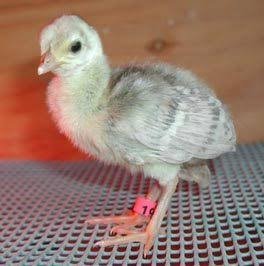
Raising baby peacocks can be a rewarding experience for poultry enthusiasts, bird lovers, and people interested in keeping ornamental birds. These young birds, commonly called peachicks, are known baby peacocks for sale for their curious behavior, distinctive appearance, and potential to develop into beautiful adult peafowl. However, caring for them requires preparation, suitable housing, proper nutrition, and consistent attention to their health.
For anyone searching for baby peacocks for sale, understanding their needs before bringing them home is essential. Young peafowl are more delicate than mature birds and require a carefully managed environment during their early stages of development. With the right knowledge and responsible care, new owners can help their peachicks grow into healthy, active birds.
Understanding Baby Peacocks Before Buying
Before purchasing peachicks, it is important to understand their characteristics and requirements. Peafowl are generally divided into peacocks, which are males, and peahens, which are females. Both sexes begin life as young birds, and their adult appearance develops gradually as they mature.
Baby peacocks are active and inquisitive. They enjoy exploring their surroundings, searching for food, and interacting with other birds. Although they can become accustomed to human presence, they still need a calm environment where they can feel secure.
New owners should also consider the long-term commitment involved. Peafowl can live for many years with appropriate care, and adult birds require more space than many common backyard poultry breeds. Before buying, make sure your property can accommodate their needs throughout their lives.
Choose Healthy Peachicks From Responsible Breeders
Selecting healthy birds is one of the most important steps when looking for baby peacocks for sale. A responsible breeder should be willing to explain the birds’ age, feeding routine, health history, and previous living conditions.
Observe the peachicks before making a purchase. Healthy young birds are generally alert, responsive, and able to move around normally. Their eyes should appear clear, and their feathers should be reasonably clean for their age. Avoid purchasing birds that appear unusually weak, have difficulty standing, or show persistent breathing problems.
Ask the seller what food the birds currently eat and whether they have been examined for common poultry health concerns. Sudden changes in diet or environment can cause unnecessary stress, particularly in young birds.
It is also wise to confirm the species and variety being offered. Different peafowl varieties may have different prices and appearances, but health, suitable care, and responsible breeding practices should remain the main priorities.
Prepare a Safe and Comfortable Brooder
Young peachicks need a warm, dry, and secure place to live. Before bringing them home, prepare a brooder or suitable indoor enclosure that protects them from cold temperatures, drafts, excessive moisture, and predators.
The enclosure should provide enough room for the birds to move away from the heat source whenever they become too warm. Follow age-appropriate brooding temperature guidance from an experienced peafowl breeder or avian veterinarian, and adjust conditions according to the birds’ behavior.
A suitable brooder should include:
- Reliable warmth: Provide a safe heat source with a cooler area where peachicks can retreat.
- Dry bedding: Use clean, absorbent material that is not easily swallowed.
- Good ventilation: Allow fresh air to circulate without creating cold drafts.
- Secure sides: Prevent young birds from escaping or becoming trapped.
- Easy access to food and water: Position feeding and drinking equipment within comfortable reach.
Check the enclosure frequently, especially during the first few days. Peachicks that crowd together and repeatedly call may be cold or stressed, while birds that avoid the heat source may be too warm. These behaviors are useful clues, but the temperature should also be monitored with a thermometer.
Provide Balanced Nutrition for Healthy Growth
Nutrition plays a major role in the development of baby peacocks. Growing peachicks need a balanced diet containing sufficient protein, vitamins, minerals, and energy to support healthy muscles, feathers, bones, and immune function.
A suitable game-bird or other veterinarian-recommended starter feed formulated for the birds’ age is generally a good starting point. Ordinary chicken feed may not provide the nutritional balance required for growing peafowl, so owners should check the formulation carefully before using it.
Keep fresh feed available according to the feeding guidance for the birds’ age. Feeders should be easy to reach and designed to reduce contamination and waste.
Small amounts of appropriate supplementary foods may be introduced when suitable, but treats should never replace a complete starter ration. Avoid spoiled food, heavily salted leftovers, and unfamiliar foods that may cause digestive problems.
Clean drinking water must always be available. Use a shallow, stable drinker designed to reduce the risk of young birds falling into the water or becoming wet and chilled. Clean the drinker regularly and replace dirty water immediately.
Maintain Cleanliness and Prevent Disease
Good hygiene helps reduce the risk of illness among young peafowl. Peachicks can be particularly vulnerable to infections when they are kept in damp, crowded, or poorly ventilated conditions.
Remove wet bedding and accumulated droppings regularly. Clean feeding equipment and water containers frequently, and make sure the brooder remains dry. Avoid overcrowding because it can increase stress, encourage competition for resources, and make disease transmission more likely.
New birds should be kept separate from existing poultry for an appropriate quarantine period. Ask an avian veterinarian about recommended health checks, parasite control, and preventive care for peafowl in your region.
Watch for changes in appetite, activity, droppings, breathing, or walking. A peachick that becomes unusually quiet, stops eating, or struggles to stand may need prompt veterinary attention. Young birds can deteriorate quickly, so waiting several days to see whether symptoms disappear is not advisable.
Introduce Peachicks to Outdoor Housing Gradually
As baby peacocks grow, they will eventually need a larger outdoor enclosure that allows them to explore, exercise, and develop natural behaviors. However, moving them outside too early can expose them to temperature changes, predators, and other hazards.
Wait until the birds are sufficiently feathered, healthy, and capable of coping with the prevailing weather. The appropriate timing depends on their age, development, climate, and available shelter.
Outdoor housing should include strong fencing, secure gates, shaded areas, and protection from rain and wind. The enclosure must also prevent access by common predators in your area. Covering vulnerable sections can help protect young birds from aerial predators and reduce the risk of escape.
As peafowl mature, they may use elevated perches for resting. Provide stable, appropriately positioned perches when the birds are ready for them. Ensure that the enclosure offers enough space for movement and does not contain sharp edges or other hazards.
Understand Their Behavior and Social Needs
Peafowl are naturally alert birds that benefit from a stable environment. Sudden noises, rough handling, frequent enclosure changes, and the presence of unfamiliar animals can cause stress.
Handle peachicks gently and only when necessary. Support the body securely without squeezing the chest, and avoid chasing birds around the enclosure. Calm, consistent interactions can help them become more comfortable around their caregivers.
Keeping compatible birds together may provide social benefits, but owners should monitor their behavior closely. Competition around feeders, bullying, and overcrowding can interfere with healthy development. Make sure every bird has adequate access to food, water, shelter, and resting space.
Before housing peafowl alongside chickens, ducks, or other poultry, consider differences in nutritional needs, behavior, and disease risks. Separate housing may be the safer choice, especially for young birds.
Consider Legal Requirements and Long-Term Costs
Before purchasing baby peacocks for sale, investigate the local rules governing peafowl ownership. Depending on your location, permits, animal welfare requirements, transport restrictions, or other regulations may apply.
Consider whether your neighbors and property are suitable for adult peafowl. Mature birds can be noisy, and their tendency to wander or use elevated resting places may require additional planning.
The purchase price is only one part of the total cost. Owners should budget for housing, feed, bedding, equipment, veterinary care, predator protection, and possible repairs. Planning these expenses in advance helps prevent problems later.
Choose a seller who can provide clear information about the birds and their care requirements. Avoid making a purchase based solely on a low price or unusual coloration.
Conclusion
Buying baby peacocks can be an exciting step for anyone interested in raising ornamental birds, but their health and well-being depend on responsible preparation. A safe brooder, balanced nutrition, clean water, consistent hygiene, and appropriate veterinary care are essential during their early development.
Before choosing peachicks, research the breeder, inspect the birds carefully, and prepare suitable housing for both their young and adult stages. Remember that peafowl require a long-term commitment, adequate space, and protection from predators.
By understanding these essential care tips, new owners can make informed purchasing decisions and create a suitable environment for their birds. Responsible care from the beginning provides a strong foundation for raising healthy peafowl and enjoying their beauty for years to come.