 By siddiquaseo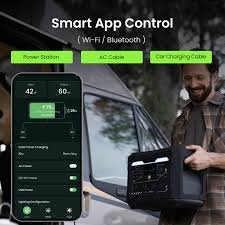
A reliable backup power system can keep essential appliances, electronics, and household equipment running when the main electricity supply fails. However, one of the most important questions homeowners have is: home backup runtime guide The answer depends on several factors, including battery capacity, appliance power consumption, inverter efficiency, and the number of devices connected.
This home backup runtime guide explains how backup runtime works, how to estimate it, and practical ways to get more operating time from your system.
What Is Home Backup Runtime?
Home backup runtime is the amount of time a battery-based backup system can provide electricity to connected devices before the battery needs to be recharged.
For example, if a backup battery can operate a group of essential devices for six hours before reaching its recommended discharge level, its estimated runtime is six hours under those conditions.
Runtime is not always a fixed number. The same battery may provide different results depending on what is connected to it. A laptop requires much less electricity than a refrigerator, heater, or air conditioner, so the total load has a major effect on runtime.
Understanding Battery Capacity
Battery capacity is one of the most important factors in determining backup duration. It is commonly expressed in watt-hours (Wh) or kilowatt-hours (kWh).
A battery rated at 1,000 Wh theoretically stores enough energy to supply 100 watts for 10 hours. However, real-world runtime is usually lower because backup systems experience energy losses and may have limits on how deeply the battery should be discharged.
For larger systems, capacity may be listed in kilowatt-hours. One kilowatt-hour equals 1,000 watt-hours.
For example:
- 500 Wh = 0.5 kWh
- 1,000 Wh = 1 kWh
- 2,000 Wh = 2 kWh
- 5,000 Wh = 5 kWh
Knowing your battery’s usable capacity makes runtime calculations much easier.
How to Calculate Backup Runtime
A simple starting formula is:
Runtime = Usable Battery Capacity ÷ Total Power Consumption
Suppose your backup system has 2,000 Wh of usable battery capacity and your connected equipment consumes 400 watts.
2,000 Wh ÷ 400 W = 5 hours
This gives a theoretical runtime of approximately five hours.
In practice, inverter losses and other factors can reduce the actual runtime. Therefore, it is better to include an efficiency factor when making an estimate.
A more practical formula is:
Runtime = Battery Capacity × Usable Capacity Percentage × Efficiency ÷ Load
For example, consider a 2,000 Wh battery with 90% usable capacity, 90% system efficiency, and a 400-watt load:
2,000 × 0.90 × 0.90 ÷ 400 = approximately 4.05 hours.
The actual result can still vary depending on battery condition, temperature, load behavior, and the backup equipment itself.
Identify Your Essential Loads
One of the best ways to improve backup runtime is to decide which appliances genuinely need backup power.
During a power outage, you may not need to operate every appliance in your home. Essential loads might include:
- Wi-Fi router
- Modem
- Mobile phone chargers
- Computers
- LED lighting
- Refrigerator
- Security cameras
- Medical or communication equipment
- Selected small household appliances
High-power appliances such as electric heaters, ovens, clothes dryers, and large air conditioners can consume substantial amounts of electricity. Running several high-power devices simultaneously can significantly reduce battery runtime.
Creating an essential-load list allows you to use your backup system more efficiently.
Check Appliance Wattage
Before calculating runtime, determine how much power each device uses. Appliance labels, manuals, and manufacturer specifications can provide useful information.
For example, imagine your essential equipment consumes:
- Router: 15 W
- LED lights: 40 W
- Laptop: 60 W
- Refrigerator average consumption: 100 W
- Phone charging: 10 W
The combined estimated load would be approximately 225 watts.
If your usable battery capacity is 1,500 Wh and the system operates at an estimated 90% efficiency:
1,500 × 0.90 ÷ 225 = approximately 6 hours.
This is an estimate rather than a guarantee because refrigerators and other appliances do not necessarily consume a constant amount of power.
Startup Power Matters
Some appliances require more electricity when they first turn on. This is particularly important for equipment with electric motors or compressors.
Refrigerators, freezers, pumps, and some power tools may have a higher startup demand than their normal operating wattage.
A backup system must therefore have enough inverter capacity to handle these temporary power demands.
When choosing a backup system, consider both:
Continuous power rating: How much power the inverter can provide continuously.
Peak or surge rating: How much additional power it can provide for a short period.
Ignoring startup requirements can cause an otherwise suitable backup system to shut down when a high-demand appliance starts.
Battery Type Can Affect Runtime
Different battery technologies can have different usable capacities, efficiencies, lifespans, and recommended discharge levels.
Modern lithium-based batteries are commonly used in portable and home backup systems because they can offer high energy density and efficient operation. Some systems also provide sophisticated battery-management features.
Other battery technologies may have different charging and discharge characteristics.
When comparing backup batteries, do not look only at the advertised capacity. Check the usable capacity, recommended discharge limits, efficiency, warranty information, and expected operating conditions.
Temperature and Battery Age
Environmental conditions can influence battery performance. Extremely hot or cold conditions may affect how efficiently a battery stores and delivers energy.
Battery age can also matter. Over time, batteries can lose some of their original storage capacity. A system that provided a certain runtime when new may eventually provide less runtime under the same load.
Proper installation, ventilation, temperature management, and following the manufacturer’s operating recommendations can help maintain reliable performance.
How to Extend Backup Runtime
There are several practical ways to make backup electricity last longer.
Reduce Unnecessary Loads
Turn off devices that are not required during the outage. Entertainment systems, unnecessary lighting, gaming equipment, and other nonessential electronics can consume energy that could be reserved for important equipment.
Use Energy-Efficient Appliances
LED lighting and energy-efficient electronics generally require less electricity. Replacing inefficient equipment can reduce the total load on your backup system.
Avoid Running Everything at Once
If several high-power devices are connected, operate them selectively rather than simultaneously when possible.
Monitor Power Consumption
Many modern backup systems include displays or mobile applications that show current power consumption and estimated remaining runtime. Monitoring these readings can help you understand how different appliances affect battery life.
Planning for Longer Outages
A good home backup plan should consider more than just the battery. Think about how frequently outages occur, how long they typically last, and which household systems are most important.
For short outages, a smaller battery system may be sufficient for communication equipment, lighting, and computers. For longer outages, homeowners may need a larger battery bank, solar charging, or another compatible backup solution.
Solar panels can be particularly useful for extending backup capability because they can recharge compatible batteries when sunlight is available. However, actual solar charging performance depends on weather, panel capacity, orientation, system efficiency, and energy usage.
Final Thoughts
Understanding backup runtime helps homeowners choose the right power system and use it efficiently. The key factors are battery capacity, usable energy, inverter efficiency, appliance wattage, startup demands, battery condition, and operating temperature.
The easiest way to estimate runtime is to determine your total electrical load and compare it with the usable battery capacity. For better accuracy, account for system efficiency and avoid assuming that every appliance consumes a constant amount of power.
By prioritizing essential equipment, reducing unnecessary consumption, monitoring electricity usage, and selecting an appropriately sized backup system, you can make your available stored energy last longer and be better prepared for unexpected power outages.