 By siddiquaseo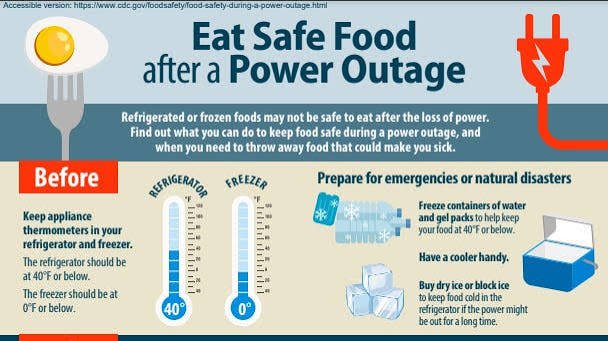
A power outage can create more than an inconvenience, especially when it affects your refrigerator and freezer. Without electricity, appliances cannot maintain refrigerator power outage food safety their normal temperatures, and perishable foods can become unsafe if they remain warm for too long. Knowing what to do before, during, and after an outage can help reduce food waste and protect your household from foodborne illness.
The good news is that a refrigerator can keep food cold for several hours if the door remains closed. However, food safety depends on temperature, storage time, and the type of food involved. Understanding these factors makes it easier to decide what can be safely kept and what should be discarded.
How Long Does Food Stay Safe Without Power?
A refrigerator generally keeps food cold for about four hours when the door remains closed. The exact time can vary depending on the refrigerator, how full it is, the surrounding temperature, and how frequently the door is opened.
Perishable foods should normally be stored at or below 40°F (4°C). Once the refrigerator becomes significantly warmer, bacteria can multiply more rapidly, increasing the risk of foodborne illness.
During a short outage, avoid opening the refrigerator unnecessarily. Every time the door opens, cold air escapes and warmer air enters. Keeping the door shut is one of the simplest ways to preserve the temperature inside.
If you expect a long outage, consider using a refrigerator thermometer. It can help you determine whether the food has remained at a safe temperature.
What Foods Are Most at Risk?
Not every food inside a refrigerator becomes unsafe at the same rate. Perishable foods require the most attention because bacteria can grow quickly when they are exposed to temperatures above recommended refrigeration levels.
Foods that typically require refrigeration include:
- Raw or cooked meat and poultry
- Fish and seafood
- Eggs
- Milk and other dairy products
- Soft cheeses
- Cooked leftovers
- Deli meats
- Cut fruits and vegetables
- Prepared salads
- Certain sauces and refrigerated products
Items such as unopened canned foods, bread, whole fruits, and some condiments may not require refrigeration in the same way. Always check the product label and follow its storage instructions.
Keep the Refrigerator Door Closed
One of the most important refrigerator power outage food safety rules is simple: keep the door closed as much as possible.
A closed refrigerator can retain cold air for a limited period, but repeatedly opening the door shortens that time. Before an outage, consider organizing commonly used items so you can quickly find what you need without leaving the door open.
During an outage, avoid checking the refrigerator every few minutes. If you have a thermometer, you can monitor the temperature when necessary without unnecessarily disturbing the cold environment.
If the outage is expected to last for an extended period, you may need to move certain foods to another cold storage option, such as a properly insulated cooler with sufficient ice or frozen gel packs.
Use Ice and Coolers for Longer Outages
When an outage is expected to continue, a cooler can help protect perishable food. Place food in a well-insulated cooler and surround it with plenty of ice or frozen packs.
The goal is to keep the food at a safe cold temperature. A thermometer designed for refrigerators or food storage can be useful for monitoring conditions inside the cooler.
Keep raw meat, poultry, and seafood sealed separately to prevent their juices from contaminating other foods. If possible, place these products in leak-proof containers or sealed bags.
A separate cooler for drinks can also be useful. Opening a beverage cooler frequently is less likely to affect the temperature of your food cooler.
What About Food in the Freezer?
A freezer can usually preserve food much longer than a refrigerator during a power outage. A full freezer can generally remain cold for around 48 hours if its door stays closed, while a partially full freezer may maintain safe temperatures for approximately 24 hours.
The exact duration depends on factors such as the freezer’s size, insulation, how full it is, and the surrounding temperature.
Frozen food that still contains ice crystals may generally be refrozen or cooked, provided it has remained at a safe temperature. However, food that has completely thawed and become warm for an extended period may need to be discarded.
Do not rely solely on appearance or smell when determining whether food is safe. Harmful bacteria may not change a food’s smell, taste, or appearance.
When Should You Throw Food Away?
When in doubt about refrigerated or frozen food after a prolonged outage, taking a cautious approach is important. Perishable food that has been exposed to unsafe temperatures for too long can cause illness even if it looks normal.
Discard foods that have clearly been kept too warm for an extended period, particularly meat, seafood, dairy products, cooked leftovers, and other highly perishable items.
Never taste food simply to determine whether it is safe. A small taste cannot reliably tell you whether harmful microorganisms are present.
If you are unsure about a particular item, consider factors such as how long the power was out, whether the refrigerator stayed cold, the food’s temperature, and the type of food.
Tips for Preparing Before a Power Outage
Food safety becomes much easier when you prepare before an outage happens. If severe weather or another event could cause an interruption, take a few simple steps.
First, keep refrigerator and freezer thermometers available. They provide useful information when electricity is unavailable.
You can also freeze containers of water ahead of time. These can serve as additional cold sources during an outage and may help keep a cooler cold.
Avoid overloading your refrigerator or freezer, but keep the freezer reasonably full because frozen items help maintain a low temperature. Grouping frozen foods together can also help them stay cold longer.
It is also useful to know which foods are most perishable. Having a basic understanding of your refrigerator’s contents makes it easier to make decisions if the outage lasts several hours or more.
Be Careful When Power Returns
When electricity comes back, do not immediately assume that every food item is safe. Check the refrigerator and freezer conditions first.
If you have a thermometer, check the temperature. Examine frozen food for signs of thawing and determine whether it remained sufficiently cold.
Avoid relying on smell or appearance alone. Food can become unsafe without showing obvious signs of spoilage.
After restoring power, allow the refrigerator to return to its normal operating temperature before placing additional warm food inside. If food has been stored in a cooler, transfer it back once the refrigerator is sufficiently cold.
Keep Food Safety in Mind During Cleanup
A power outage can also create food-safety concerns during cleanup. If spoiled food needs to be discarded, place it in sealed garbage bags to reduce odors and prevent contact with other food.
Clean spills inside the refrigerator promptly. If raw meat or seafood leaked during storage, thoroughly clean and sanitize the affected area according to the appliance manufacturer’s recommendations.
Wash your hands after handling spoiled food, packaging, or potentially contaminated surfaces.
A Simple Food Safety Strategy
The easiest way to remember refrigerator power outage food safety is to focus on three things: time, temperature, and food type.
Time tells you how long the food has been without reliable refrigeration. Temperature tells you whether the food has remained cold enough. Food type helps determine how quickly it can become hazardous when temperatures rise.
Keep refrigerator and freezer doors closed, use thermometers when possible, prepare coolers and ice in advance, and avoid tasting questionable food. These simple precautions can significantly reduce unnecessary risks during an outage.
Conclusion
A refrigerator power outage does not automatically mean that every food item must be thrown away. With proper preparation and careful temperature management, many foods can remain safe during a short interruption.
The most important step is to keep the refrigerator and freezer doors closed and monitor temperatures when possible. For longer outages, coolers, ice, and frozen packs can provide additional protection. Once power returns, evaluate food based on temperature and time rather than appearance or smell.
When there is genuine uncertainty about the safety of a perishable food, protecting your health is more important than saving the item. A little preparation before an outage can make the entire situation easier to manage and help your household stay safe.