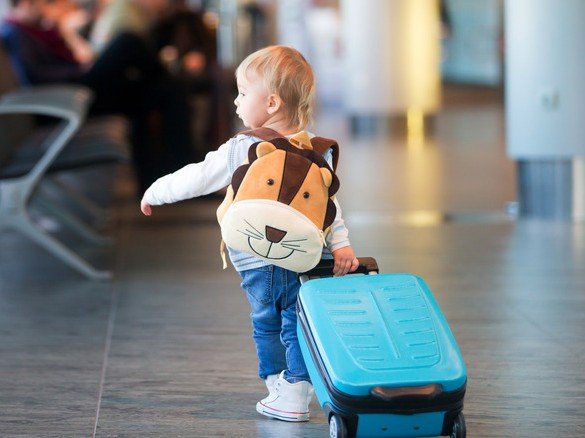
Traveling with children can be one of the most rewarding experiences for a family, but it’s no secret that it also comes with unique challenges. From managing moods and meals to navigating airports and long car rides, parents often wonder how to make family trips smooth and enjoyable. With the right preparation and mindset, travel with kids doesn’t have to be stressful. This guide explores practical strategies that actually work for families seeking memorable adventures.
Planning Ahead Makes All the Difference
The first step to stress-free travel with kids is careful planning. A well-thought-out itinerary balances adventure with downtime, ensuring that children are engaged without feeling overwhelmed. Start by choosing destinations that offer family-friendly activities, such as interactive museums, outdoor parks, or beaches suitable for children of all ages.
Booking accommodations in advance is equally important. Consider hotels, vacation rentals, or family resorts that offer kid-centric amenities like pools, play areas, or kitchenette facilities. Being proactive with reservations reduces last-minute stress and allows the family to focus on enjoying the experience rather than solving unexpected problems.
Packing smartly is another essential part of preparation. Travel with kids often requires extra clothing, snacks, entertainment, and essential gear. Using packing lists and compartmentalized luggage can help parents stay organized and ensure nothing vital is forgotten. Include comfort items like favorite blankets or small toys to make children feel secure in new environments.
Keep Entertainment and Distractions Handy
Long flights, train rides, or road trips can test anyone’s patience, but keeping kids entertained is a key to stress-free travel with kids. Tablets, coloring books, puzzles, and audiobooks are excellent for keeping children engaged during transit. Rotate activities periodically to maintain interest and avoid boredom.
Engaging children in travel planning can also help. Let them pick one activity each day or choose a destination from a curated list of options. Involving kids fosters excitement, encourages cooperation, and reduces resistance to travel routines.
Snack Wisely and Stay Hydrated
One of the simplest strategies for smooth family trips is thoughtful snacking. Carry a variety of healthy snacks like fruit, granola bars, or crackers. Snacks not only stave off hunger but also prevent crankiness, which can escalate stress during travel.
Hydration is equally critical. Encourage children to drink water regularly, especially in warm climates or during long outdoor activities. Small water bottles are handy for travel and can be refilled throughout the day, ensuring kids remain comfortable and energized.
Embrace Flexible Scheduling
While planning is essential, over-scheduling can be counterproductive. Travel with kids requires flexibility. Allow extra time for transitions between activities and expect that plans may need adjustments based on children’s moods, energy levels, or unexpected delays.
Incorporating breaks is crucial. Short rest periods in shaded areas, playgrounds, or cafes allow children to recharge, reducing irritability and helping the family enjoy sightseeing more fully. Flexibility reduces tension and allows parents to focus on making memories rather than sticking rigidly to an itinerary.
Choose Family-Friendly Transportation
Choosing the right mode of transportation can significantly impact the ease of travel with kids. Direct flights are preferable for longer trips, as they reduce waiting time and connections. If driving, plan routes with rest stops, snack breaks, and opportunities for children to stretch their legs.
Public transportation can be fun for older children and offers opportunities to experience local culture. However, be prepared with strategies for keeping kids safe and occupied, like using child harnesses, travel strollers, or small backpacks with personal items.
Maintain Familiar Routines
While travel often disrupts daily routines, maintaining some familiar patterns can help children feel secure. Meal times, bedtime rituals, and nap schedules should be adapted rather than abandoned. Bringing along familiar bedtime stories, comfort objects, or portable night lights can make sleeping in new environments easier.
Consistency in routines reduces stress for both kids and parents. Children are more likely to cooperate with schedules, making sightseeing and activities more enjoyable for the whole family.
Encourage Exploration and Learning
Travel with kids is an opportunity to educate and inspire. Engage children in cultural experiences, local cuisine, and historical sites. Asking questions, encouraging curiosity, and sharing interesting facts transforms travel into an interactive learning experience.
Simple activities like counting boats at a harbor, identifying landmarks, or tasting new foods can make children feel involved. When kids are mentally stimulated and engaged, they are happier, making travel less stressful for parents.
Manage Expectations and Practice Patience
Realistic expectations are crucial for stress-free travel with kids. Not every moment will be picture-perfect, and mishaps are part of the adventure. Embrace the unexpected with humor and patience, whether it’s a delayed flight, a missed train, or a sudden tantrum.
Remember that the goal is to create memories and enjoy the journey together. When parents maintain a positive attitude, children are more likely to mirror it, resulting in a calmer and more enjoyable travel experience.
Use Travel Gear to Your Advantage
Investing in the right travel gear can make a huge difference in family trips. Lightweight strollers, child carriers, travel-friendly car seats, and portable booster seats ensure safety and convenience. Packing organizers, travel cots, and reusable snack containers streamline daily routines.
Parents who travel with kids often find that thoughtful gear choices reduce stress significantly. Reliable gear can transform challenging moments, such as long walks or airport navigation, into manageable and even enjoyable experiences.
Capture the Memories
Finally, don’t forget to document the journey. Encourage children to take photos, collect souvenirs, or write in a travel journal. Sharing stories and experiences afterward strengthens family bonds and creates lasting memories.
Chasin Surf, a family travel blog, emphasizes how travel with kids feeds the soul with new cultures, food, and beautiful sights. By following strategies that actually work, parents can focus less on the logistical stress and more on the joy of exploring the world together.
Conclusion
Stress-free travel with kids is achievable with preparation, flexibility, and a positive attitude. By planning ahead, keeping children engaged, maintaining routines, and using the right gear, parents can turn family trips into unforgettable adventures. Embrace each moment, celebrate small victories, and allow the journey itself to become part of the family story. Travel with kids is not just about visiting new places; it’s about creating experiences that leave a lasting mark on the hearts of the entire family.
With these strategies, families can explore the world confidently, knowing that travel with kids can be as rewarding and inspiring as any adult vacation. Whether it’s a weekend getaway or an international journey, the key to a successful trip lies in preparation, patience, and the shared joy of discovery.