The Sichuan-Tibet Line is one of the most breathtaking and challenging travel routes in the world. Spanning diverse landscapes, from lush valleys to towering snow-capped peaks, this journey offers travelers an unparalleled combination of adventure, culture, and natural beauty. For anyone planning a trip along this iconic route, proper preparation and understanding are crucial. This guide provides comprehensive notes on Sichuan-Tibet line travel to help make your journey safe, enjoyable, and memorable.
Understanding the Sichuan-Tibet Line
The Sichuan-Tibet Line, also known as the Sichuan-Tibet Highway, stretches over 2,000 kilometers, connecting the Sichuan province to the Tibet Autonomous Region. This route is renowned for its dramatic scenery, including high mountain passes, deep gorges, and rivers that carve through the landscape. Travelers often embark on this journey to experience both the natural wonders and the rich Tibetan culture along the way.
The route typically starts in Chengdu, the capital of Sichuan, and passes through several key cities and towns such as Kangding, Litang, and Bamei, before entering the Tibet Autonomous Region, where Lhasa marks a significant milestone. Along the way, travelers encounter diverse climates, from subtropical lowlands to high-altitude plateaus, requiring careful planning for altitude adaptation and weather changes.
Planning Your Journey
Traveling the Sichuan-Tibet Line requires careful preparation. Due to the high altitudes and remote areas, it is essential to plan your itinerary thoughtfully. Notes on Sichuan-Tibet line travel emphasize the importance of pacing your journey to allow time for acclimatization. High-altitude sickness can affect even the healthiest travelers, so gradual ascent and adequate rest are critical.
Choosing the right time to travel is another key consideration. The best months are typically from May to October, when the weather is more stable, and the roads are relatively safer. Winter months bring heavy snowfall and road closures, making travel dangerous and sometimes impossible.
Choosing Your Mode of Transportation
Travelers have several options for navigating the Sichuan-Tibet Line. Self-driving is increasingly popular, offering the flexibility to stop at scenic spots and explore off-the-beaten-path locations. A reliable 4WD vehicle is recommended due to rugged terrain and unpredictable road conditions. Notes on Sichuan-Tibet line travel advise equipping vehicles with spare tires, emergency kits, and sufficient fuel, as service stations are scarce in remote areas.
Alternatively, many travelers opt for organized tours, which provide experienced drivers and guides familiar with the route and local conditions. This option can reduce stress and increase safety, especially for those unfamiliar with high-altitude driving. Public buses also connect major towns, though schedules can be limited and delays common.
Accommodation and Rest Stops
Accommodation along the Sichuan-Tibet Line ranges from basic guesthouses to comfortable hotels in larger towns. In remote areas, lodging may be simple, offering only the essentials. Notes on Sichuan-Tibet line travel highlight the importance of booking accommodations in advance, especially during peak tourist seasons, to avoid last-minute difficulties.
Rest stops along the route provide opportunities to stretch, refuel, and enjoy local cuisine. Traditional Tibetan food, including butter tea, yak meat, and tsampa, is widely available and offers a unique culinary experience. Staying hydrated and eating light meals can help mitigate the effects of high altitude.
Essential Preparations
Proper preparation is vital for a successful journey. Travelers should pack appropriate clothing for a wide range of temperatures, including warm layers for high-altitude regions and rain gear for lower valleys. Sunglasses, sunscreen, and hats are necessary due to strong UV exposure in mountainous areas.
Medical preparedness is another key aspect. Carrying a first-aid kit, altitude sickness medication, and basic prescriptions is essential. Notes on Sichuan-Tibet line travel also recommend travel insurance that covers high-altitude travel and emergency evacuation.
Scenic Highlights Along the Route
The Sichuan-Tibet Line is famed for its scenic diversity. Key highlights include the towering Gongga Mountains, also known as the “King of Sichuan Mountains,” and the picturesque Yading Nature Reserve, celebrated for its pristine alpine lakes and snow-capped peaks. Travelers also encounter the Tibetan Plateau, offering vast, open landscapes and a sense of serene isolation.
Cultural landmarks add depth to the journey. Monasteries, prayer flags, and traditional Tibetan villages provide insights into local customs and spirituality. Major stops like Kangding feature historic Tibetan architecture, while Litang hosts annual horse festivals that attract visitors from across the region.
Navigating Challenges
While the route is visually stunning, it presents several challenges. Narrow mountain roads, landslides, and unpredictable weather require careful attention and cautious driving. Notes on Sichuan-Tibet line travel emphasize maintaining a flexible itinerary to accommodate delays and road conditions.
High-altitude adaptation is another critical concern. Travelers are advised to ascend gradually, rest frequently, and avoid strenuous activities in the first few days. Recognizing symptoms of altitude sickness, such as headaches, nausea, or dizziness, and responding promptly can prevent serious health issues.
Cultural Etiquette and Local Interactions
Respecting local customs enhances the travel experience. Tibetan culture places great importance on religious sites, so visitors should dress modestly, remove shoes when required, and refrain from touching sacred objects. Interactions with locals should be approached with politeness and openness, and learning a few basic phrases in Tibetan or Mandarin can facilitate communication.
Photography and Memories
The Sichuan-Tibet Line offers countless opportunities for photography. Snow-capped mountains, turquoise rivers, and traditional Tibetan architecture provide stunning backdrops. Notes on Sichuan-Tibet line travel encourage capturing moments while remaining mindful of privacy and cultural sensitivities.
Final Tips for a Successful Journey
Traveling the Sichuan-Tibet Line is an unforgettable adventure that combines natural beauty, cultural richness, and personal challenge. Key tips include careful itinerary planning, gradual altitude adaptation, vehicle preparation, and cultural respect. Staying informed about road conditions, weather forecasts, and local regulations ensures safety and enjoyment throughout the trip.
In conclusion, a journey along the Sichuan-Tibet Line is a remarkable experience for those seeking adventure, scenic wonders, and cultural immersion. By following these notes on Sichuan-Tibet line travel, visitors can navigate the route safely, appreciate the landscapes, and create memories that will last a lifetime. Proper preparation, respect for local culture, and an adventurous spirit are the keys to making this journey both safe and extraordinary.
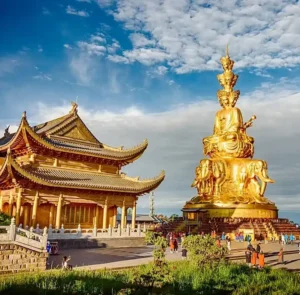 The Sichuan-Tibet Line is one of the most breathtaking and challenging travel routes in the world. Spanning diverse landscapes, from lush valleys to towering snow-capped peaks, this journey offers travelers an unparalleled combination of adventure, culture, and natural beauty. For anyone planning a trip along this iconic route, proper preparation and understanding are crucial. This guide provides comprehensive notes on Sichuan-Tibet line travel to help make your journey safe, enjoyable, and memorable.
