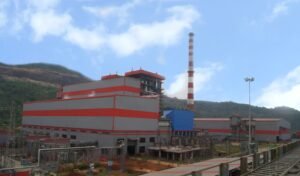
Coal-fired power plants remain a significant part of the global energy landscape, providing consistent electricity generation across industries and communities. At the heart of these plants lies the boiler island, a critical component responsible for converting coal energy into steam power, which ultimately drives turbines to generate electricity coal – fired power plant boiler island operation. Understanding the operations of a coal-fired power plant boiler island is essential for engineers, technicians, and operators seeking efficient and safe plant performance.
Understanding the Boiler Island in a Coal-Fired Power Plant
The boiler island is a term used to describe the portion of a coal-fired power plant where fuel combustion and steam generation occur. It encompasses the boiler, auxiliary systems, and related components necessary for transforming solid coal into high-pressure, high-temperature steam. The efficiency and safety of a coal-fired power plant heavily depend on the proper functioning of the boiler island.
Coal is typically pulverized before combustion to improve burning efficiency and reduce emissions. Pulverized coal is blown into the furnace, where it combusts on suspended flames or over a grate system depending on the boiler design. The heat generated converts water into steam inside the boiler tubes. This high-pressure steam then moves to the turbine-generator section, where mechanical energy is transformed into electrical energy.
Key Components of a Coal-Fired Boiler Island
The operations of a coal-fired power plant boiler island involve several interrelated components:
Coal Handling System
The coal handling system ensures a consistent supply of coal to the boiler. It includes crushers, conveyors, storage bunkers, and feeders. Proper handling minimizes fuel wastage, prevents blockages, and maintains steady combustion conditions.
Pulverizers and Fuel Feeders
Coal pulverizers grind coal into a fine powder to maximize the surface area for efficient combustion. Fuel feeders regulate the flow of pulverized coal into the furnace, ensuring stable combustion and preventing flame instability.
Boiler Furnace
The furnace is the central component where coal combustion occurs. Modern coal-fired boilers use either wall-fired, tangential-fired, or circulating fluidized bed designs to optimize heat transfer and reduce emissions. Flame stability, proper air-fuel mixing, and uniform temperature distribution are critical for efficient operation.
Superheater, Reheater, and Economizer
Steam generated in the boiler passes through the superheater to increase its temperature and energy content before entering the turbine. Reheaters boost the steam after partial expansion in the turbine to improve efficiency. Economizers recover heat from flue gases to preheat the feedwater, reducing overall fuel consumption.
Air and Flue Gas Systems
Combustion air is supplied through forced draft and induced draft fans, ensuring proper oxygen levels in the furnace. Flue gas systems remove combustion byproducts through electrostatic precipitators or bag filters, reducing particulate emissions. Proper control of air and flue gas systems is crucial for maintaining efficient and clean boiler island operations.
Operational Strategies for Efficiency and Safety
The operation of a coal-fired power plant boiler island is a complex process that requires careful coordination between fuel handling, combustion, steam generation, and emission control systems. Several strategies enhance efficiency and safety:
Combustion Control
Automated control systems monitor flame stability, coal feed rates, and oxygen levels to optimize combustion. Balanced fuel and air ratios reduce unburned carbon, improve thermal efficiency, and limit harmful emissions.
Steam Temperature and Pressure Management
Maintaining precise steam temperature and pressure is essential for turbine protection and efficient energy conversion. Advanced instrumentation, including thermocouples and pressure sensors, allows operators to adjust boiler parameters in real-time.
Boiler Cleaning and Maintenance
Soot and ash buildup on heat exchange surfaces can reduce boiler efficiency. Regular cleaning, using soot blowers and ash removal systems, ensures effective heat transfer. Scheduled maintenance of critical components like burners, fans, and pumps minimizes the risk of unexpected shutdowns.
Emission Control
Coal-fired power plants must comply with environmental regulations regarding sulfur dioxide, nitrogen oxides, and particulate matter. The boiler island integrates flue gas desulfurization units, selective catalytic reduction systems, and particulate filters to control emissions without compromising operational efficiency.
Operator Training and Safety Procedures
Coal-fired boiler islands operate under high temperatures and pressures, making safety a top priority. Operators receive rigorous training on emergency shutdown procedures, fire prevention, and hazard mitigation. Strict adherence to operational protocols reduces the risk of accidents and equipment damage.
Challenges in Coal-Fired Boiler Island Operations
Despite technological advancements, coal-fired power plant boiler islands face several operational challenges:
Fuel Quality Variations: Differences in coal properties can affect combustion efficiency and emission levels. Real-time monitoring and adaptive control systems are necessary to handle variable fuel quality.
Ash Handling and Disposal: Combustion produces significant quantities of ash, requiring efficient handling and disposal systems to prevent environmental contamination.
Corrosion and Erosion: High-temperature combustion and flue gases can cause boiler tube corrosion and erosion. Material selection and protective coatings help extend component life.
Regulatory Compliance: Environmental regulations demand continuous upgrades in emission control technology, which can affect operational costs and complexity.
Future Trends in Coal-Fired Boiler Island Operations
While renewable energy sources are rapidly growing, coal-fired power plants continue to play a vital role in providing base-load electricity. Innovations in boiler island operations aim to improve efficiency, reduce emissions, and extend equipment life:
Advanced Combustion Techniques: Technologies like supercritical and ultra-supercritical boilers operate at higher pressures and temperatures, improving efficiency and reducing coal consumption.
Digitalization and Automation: Smart sensors, AI-based predictive maintenance, and automated control systems optimize boiler performance while minimizing human error.
Emission Reduction Innovations: New scrubbers, catalysts, and particulate capture technologies further limit the environmental impact of coal combustion.
Co-Firing and Biomass Integration: Integrating biomass with coal allows plants to reduce carbon footprint while maintaining operational stability.
Conclusion
A coal-fired power plant boiler island is a complex and essential segment of the power generation process. Its operations involve careful coordination of fuel handling, combustion, steam generation, and emission control systems to ensure efficiency, safety, and compliance with environmental standards. Operators must focus on combustion control, steam management, regular maintenance, and emission reduction to optimize performance. As technology evolves, advanced boiler designs, digital monitoring, and environmental innovations promise to enhance the sustainability and reliability of coal-fired power plants. Understanding these operations is crucial for anyone involved in managing or engineering a coal-fired power plant, ensuring that this energy source continues to support global electricity demand effectively.
 By siddiquaseo
  Coal-fired power plants remain a significant part of the global energy landscape, providing consistent electricity generation across industries and communities. At the heart of these plants lies the boiler island, a critical component responsible for converting coal energy into steam power, which ultimately drives turbines to generate electricity coal – fired power plant boiler island operation. Understanding the operations of a coal-fired power plant boiler island is essential for engineers, technicians, and operators seeking efficient and safe plant performance.